%2Ffit-in%2F250x250%2Fusers%2F6d0b8f40-217a-4573-a826-7efc4c159888%2Fimages%2F156efa8f-5aec-40b8-9630-819485a757ef.jpg&w=1920&q=100)
Pacific Halibut Fishing Charter in Charleston OR
Pacific Halibut Fishing in Charleston - What to Expect
%2F%2Fusers%2F6d0b8f40-217a-4573-a826-7efc4c159888%2Fimages%2Fcharleston-halibut-rock-bass-charter-2713.jpg&w=1920&q=75)
Fishing, Tours Adventures by Captain Will Merritt in May
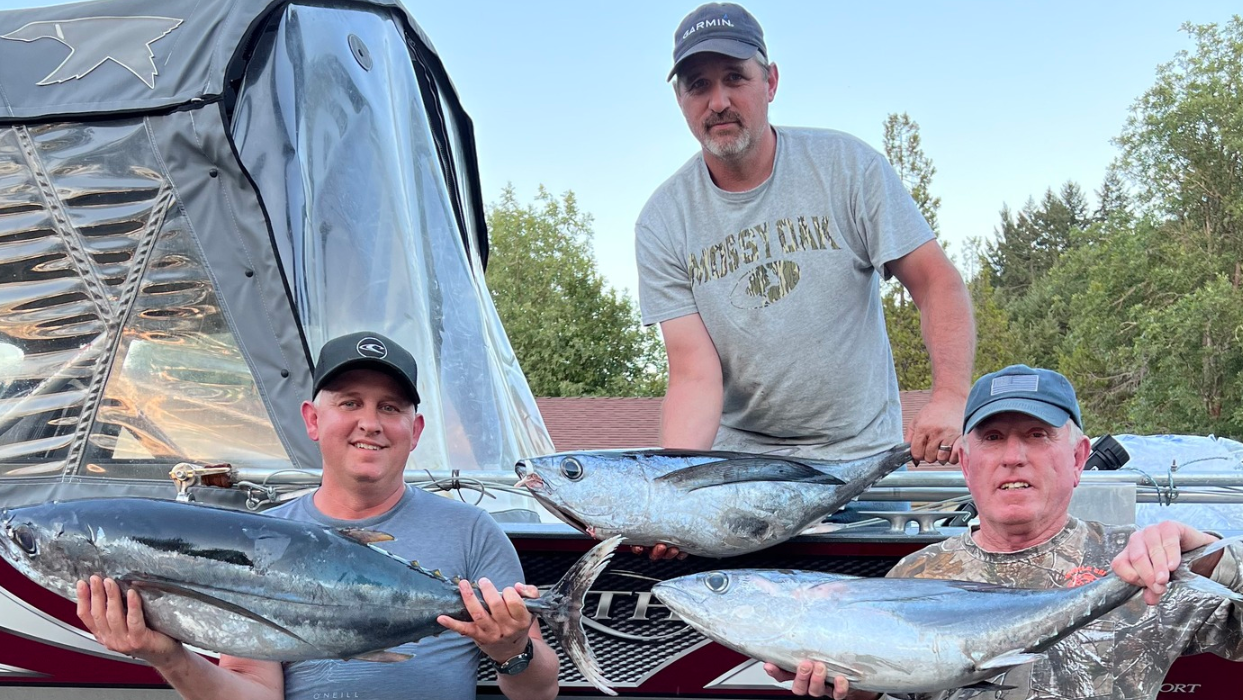
Meet your Captain Will Merritt
- One More Guide Service: Charleston Fishing


Summary
Join Captain Will Merritt of One More Guide Service on a Thursday in May for an unforgettable fishing and tours adventure in Charleston, Oregon. This charter showcases pristine Pacific Halibut and Rock Bass catches in one of the coast's premier fishing destinations, delivering an authentic offshore experience where anglers connect with the bounty of the Pacific.
Fishing with Captain Will Merritt - Rates & Booking
Captain Will Merritt of One More Guide Service on Thursday, May 1st offers an exceptional opportunity to experience some of Oregon's most rewarding coastal fishing. This Pacific Halibut and Rock Bass charter welcomes anglers of all skill levels to test their abilities against these powerful fish species in the productive waters off Charleston.
Whether you're a seasoned angler or stepping onto the water for the first time, Captain Will's expertise ensures every moment on the water counts. His local knowledge of Charleston's fishing grounds and commitment to safety make this an ideal choice for your next fishing adventure. Contact One More Guide Service to reserve your charter spot and learn about current rates, package options, and availability for your preferred dates.
Highlights of the Pacific Halibut Fishing Experience
The visual testament to this charter's success hangs proudly at the cleaning station dock - multiple substantial Pacific Halibut alongside healthy Rock Bass, each fish telling the story of hours spent pursuing Oregon's most sought-after species. Anglers aboard experience the distinctive pull of a halibut strike, the focused battle to bring these flat fish from the depths, and the triumphant moment when a trophy emerges from the depths. The camaraderie among fishing companions creates lasting memories both on the water and later sharing the harvest.
Charleston's position on the Oregon coast provides direct access to rich halibut habitat. The productive seafloor composition, current patterns, and seasonal abundance make this location consistently rewarding for both the fish and the fisherman. Every charter brings the possibility of substantial catches and the genuine satisfaction that comes from matching wits with one of the ocean's most intelligent bottom dwellers.
Local Species Insights - Pacific Halibut
Pacific Halibut represent the pinnacle of flatfish fishing along the Oregon coast. These powerful creatures, often weighing between 20 and 50 pounds on charter runs, inhabit the depths where the continental shelf meets deeper offshore waters. Halibut are primarily bottom feeders, using their flattened bodies to hunt along rocky and sandy seafloor environments around Charleston's fishing grounds.
What makes halibut particularly rewarding targets is their combination of strength, fighting spirit, and size. When hooked, they display impressive power and determination, making every battle a memorable test of angler skill and equipment. Their habitat preference for well-defined underwater structures and specific depth ranges makes Captain Will's local knowledge invaluable - understanding exactly where these fish congregate dramatically increases success rates.
Rock Bass round out the charter experience, providing consistent action and adding variety to your fishing day. These scrappy fighters complement the halibut pursuit, keeping lines tight and anglers engaged throughout your time on the water. The combination of these two species creates a diverse and engaging fishing experience that showcases the richness of Pacific Northwest coastal waters.
The fishing conditions off Charleston vary seasonally, with spring bringing excellent halibut availability as fish move into shallower feeding grounds. The water clarity, temperature patterns, and baitfish abundance during this period create ideal circumstances for productive fishing. Anglers should come prepared for variable ocean conditions - bringing appropriate layers and maintaining realistic expectations about weather contribute to a safe and enjoyable charter experience.
Plan Your Fishing Day
Your charter with Captain Will Merritt begins when you arrive at the Charleston dock, where you'll meet the captain and prepare for your offshore adventure. The crew ensures all fishing equipment is properly rigged and ready, allowing you to focus entirely on the experience. As you head out into productive waters, Captain Will positions the boat over known halibut habitat, using his depth finder and years of local experience to locate feeding fish.
Once positioned, the actual fishing involves dropping lines to the seafloor where halibut hunt for smaller fish and crustaceans. The sensation of bottom contact, the subtle movements indicating fish interest, and the sudden powerful strike create a sensory experience unique to halibut fishing. When a fish commits, the real work begins - bringing these flat fish from the depths demands focus, technique, and endurance.
Fishing in Charleston: Pacific Halibut and Rock Bass
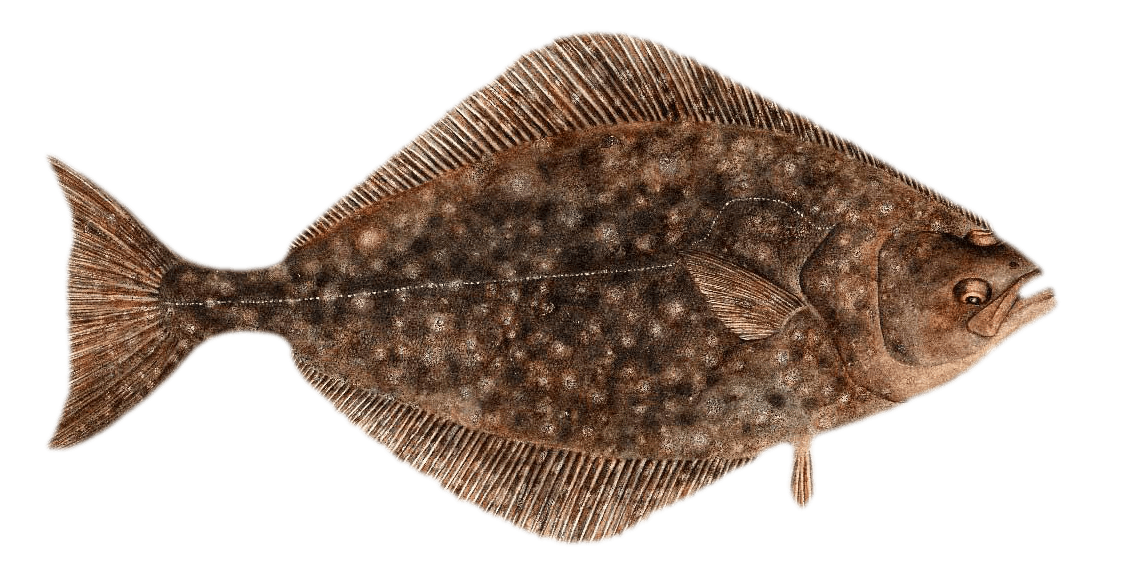
Pacific Halibut Overview
The Pacific Halibut (Hippoglossus stenolepis) is one of the world's largest flatfish species, belonging to the family Pleuronectidae within the order Pleuronectiformes. These remarkable deep-water dwellers are instantly recognizable by their muddy brown coloration adorned with dark-brown spots and their distinctively elongated, diamond-shaped bodies that set them apart from most other flatfish. What makes the Pacific Halibut truly special for anglers and seafood enthusiasts alike is not just their impressive size—they can reach up to 8 feet long and weigh as much as 500 pounds—but also their exceptional fighting ability and culinary value. Whether you're fishing off the coast of Alaska or exploring the waters near California, encountering a Pacific Halibut is a memorable experience that anglers dream about.
These are powerful swimmers that have adapted perfectly to life in cold, deep oceanic environments. Nearly all Pacific Halibuts are "right-eyed," meaning they rest and hunt with their right side facing upward and their left side against the seafloor—a peculiar adaptation that makes them one of nature's most interesting bottom-dwelling predators.
Pacific Halibut Habitat and Distribution
Pacific Halibuts are found exclusively in the deep, cold waters of the northern Pacific region, preferring depths between 20 and 1,000 feet, though they can venture as deep as 3,600 feet when conditions warrant. They thrive in water temperatures ranging from 37°F to 46°F and are most commonly located on or near continental shelves where food is abundant. In the United States, their range extends from the coasts of California northward through Oregon and Washington, up the Canadian coast, into the productive waters of the Gulf of Alaska and the Bering Sea, and all the way to the Chukchi Sea.
These demersal fish—a scientific term for bottom-dwelling species similar to stingrays—follow predictable migration patterns, moving in a clockwise direction from northwest to southeast throughout the year. The Gulf of Alaska and Bering Sea represent the most productive fishing grounds, though reliable populations exist in nearshore areas accessible to recreational anglers. During summer months, Pacific Halibuts migrate to shallower feeding grounds between 150 and 500 feet, making them more accessible to anglers. When winter arrives, they retreat to deeper waters for spawning, which affects seasonal fishing success rates.
Pacific Halibut Size and Weight
Pacific Halibuts are impressively large fish that showcase remarkable size variation depending on age and sex. While average specimens typically weigh between 20 and 40 pounds, it's quite common for anglers to land catches weighing around 100 pounds. The maximum recorded size reaches an extraordinary 8 feet in length, 5 feet in width, and 500 pounds in weight—making each encounter with a trophy-sized individual an unforgettable achievement.
Sexual maturity differs between males and females, with males reaching reproductive age around 8 years old and females maturing at approximately 12 years old. This extended growth period means that the largest specimens you encounter have likely been perfecting their hunting strategies in the deep ocean for several decades, contributing to their reputation as formidable opponents on the line.
Pacific Halibut Diet and Behavior
As apex bottom predators, Pacific Halibuts are opportunistic hunters with diverse dietary preferences. They primarily feed on an impressive array of fish species including cods, turbots, and pollocks that share their seafloor habitat, along with invertebrates like octopi, crabs, and shrimps. They're also known to hunt pelagic species such as salmon and herring, demonstrating their versatility as predators and their willingness to pursue prey at different water columns.
These fish are strong, active swimmers despite their flattened body shape, and they employ a stalking strategy from the seafloor, waiting for prey to venture within striking distance before launching powerful attacks. In deeper waters where light is limited, they rely heavily on their sense of smell to locate food, while in shallower areas they utilize both sight and hearing. Their hunting behavior is largely nocturnal or crepuscular, making dawn and dusk particularly productive times for anglers.
Pacific Halibut Spawning and Seasonal Activity
Pacific Halibuts follow a distinct seasonal migration pattern that dramatically influences fishing conditions throughout the year. Summer represents the most active period for anglers, as these fish move into shallower feeding grounds where they are more accessible and actively consuming food to build energy reserves. During these warmer months, Pacific Halibuts concentrate in the 150 to 500-foot depth range, making them a prime target for both recreational and commercial fisheries.
As water temperatures drop in autumn and winter, Pacific Halibuts migrate to deeper offshore waters to spawn their eggs. This spawning migration typically occurs from November through March, with peak activity in midwinter. Understanding this seasonal rhythm is crucial for planning successful fishing trips—summer expeditions offer the highest probability of successful encounters, while winter fishing requires more specialized equipment and expertise to reach spawning aggregations in extreme depths.
Pacific Halibut Techniques for Observation and Capture
Deep-Water Jigging Method: Since Pacific Halibuts are confirmed bottom-dwellers, equip yourself with specialized deep-fishing gear and target the sweet spot between 150 and 500 feet of depth. Use a 1 to 2-pound weight to send your bait to the bottom quickly, then slightly cast your line forward and retrieve it with fast, intermittent movements to create an enticing presentation. The most effective strategy involves anchoring your rod in a holder and gently bouncing it up and down to attract attention—it's truly a waiting game. Recommended baits include pink salmon heads and bellies, squid, herring, and octopus. Adding fishing attractants and using noisy jigs or spoons significantly increases your chances of success. Around the Gulf of Alaska, this technique has proven exceptionally effective during summer months when halibut congregate in accessible depths.
Fly Fishing Approach: While unconventional, fly fishing for Pacific Halibut is entirely possible and increasingly popular among adventurous anglers. Employ a 50-pound monofilament line with fast-sinking heads and a 12 to 15-weight heavyweight fly rod paired with a 16-pound snippet. Though challenging, recorded fly-caught Pacific Halibuts have exceeded 138 pounds, demonstrating the viability of this method. The technique requires the same depth and location considerations as traditional jigging but offers a more engaging, athletic fishing experience.
Spinner Rod Technique: For spinner rod enthusiasts, utilize a 6 to 7-foot heavy-action rod spooled with 60-pound line and 1 to 1.25-pound lead weights. Cast near known bottom structure and seamounts, allowing your lure to reach the seafloor before employing rhythmic retrieves that mimic the movement of injured prey species. This method works exceptionally well near the Bering Sea fishing grounds and off the Washington and Oregon coasts during peak summer season.
Pacific Halibut Culinary and Utilization Notes
Pacific Halibut is considered excellent table fare with firm, white flesh that possesses a delicate, slightly sweet flavor profile. The meat is versatile in the kitchen, lending itself beautifully to grilling, baking, pan-searing, and poaching. Beyond culinary appeal, Pacific Halibut represents a sustainable protein source when harvested responsibly within established quotas. The firm texture and mild flavor make it particularly suitable for both traditional and contemporary cuisine, and the fish commands premium prices in upscale seafood markets and restaurants.
From a nutritional standpoint, Pacific Halibut provides excellent protein content, omega-3 fatty acids, and essential vitamins and minerals. The sustainability of Pacific Halibut fisheries is actively managed through strict catch limits and seasonal closures, ensuring that future generations can enjoy both the sport and culinary benefits of this magnificent species. The combination of sporting challenge, culinary excellence, and responsible management makes Pacific Halibut one of the most valued gamefish in North American waters.
Pacific Halibut Frequently Asked Questions
Q: What is the best bait for catching Pacific Halibut?
A: Pink salmon heads and bellies are considered the gold standard, though squid, herring, and octopus also produce excellent results. The key is using fresh bait and combining it with fishing attractants and noisy lures or jigs to grab the attention of these deep-water hunters. Varying your bait selection throughout a fishing day helps identify what the halibut are actively feeding on.
Q: Where can I find Pacific Halibut near Alaska and the Pacific Coast?
A: The Gulf of Alaska and Bering Sea represent the most productive fishing regions, though accessible populations exist off the coasts of California, Oregon, and Washington. Look for continental shelf areas between 150 and 500 feet deep during summer months. Charter fishing services operating out of Alaskan ports can guide you to proven hotspots with the highest success rates.
Q: Is Pacific Halibut good to eat?
A: Absolutely—Pacific Halibut is considered excellent table fare with firm, white, delicately flavored flesh. It's versatile in the kitchen, suitable for grilling, baking, pan-searing, and poaching. The culinary quality, combined with excellent nutritional benefits including omega-3 fatty acids and quality protein, makes it a prized catch for both sport and sustenance.
Q: When is the best time to catch Pacific Halibut?
A: Summer months offer the best opportunities, as Pacific Halibuts migrate to shallower, more accessible depths for feeding. Late June through early September typically provides peak conditions. These fish are more active in their feeding grounds during warmer months and positioned in depths that recreational anglers can practically reach.
Q: How large do Pacific Halibut typically grow?
A: Average catches range from 20 to 40 pounds, though 100-pound specimens are common among experienced anglers. The maximum recorded size reaches 8 feet long, 5 feet wide, and 500 pounds—though such trophy fish represent the result of decades of ocean growth and exceptional angling success.
Q: What special equipment do I need for Pacific Halibut fishing?
A: Deep-water fishing equipment is essential, including heavy-action rods rated for 60+ pounds, correspondingly strong line, and weights of 1 to 2 pounds to reach the seafloor efficiently. Whether using fly rods, spinner rods, or traditional jigging setups, your gear must handle both the depth and the powerful fights these fish are famous for delivering.

Rock Bass Overview
Rock Bass (Ambloplites rupestris) are a small but spirited game fish belonging to the Centrarchidae family within the order Perciformes. Despite their name, these feisty swimmers are actually members of the sunfish family, not true bass. Rock Bass earned their common name from their preferred habitat—rocky-bottomed lakes and streams where they thrive in shallow, clear waters. You'll recognize them instantly by their oversized, reddish eyes (which give them the nickname "goggle-eye" or "red-eye"), short stocky bodies, and the irregular small spots on each scale that form narrow bands along their sides. What makes Rock Bass particularly interesting for anglers is their aggressive nature and relative abundance across North America, making them accessible targets for both beginners and seasoned fishermen. Whether you're fishing in a secluded mountain stream or a suburban pond, Rock Bass offer a rewarding and lively experience.
Rock Bass Habitat and Distribution
Rock Bass thrive in shallow, rocky or sandy-bottomed waters throughout North America. These fish are native to the North Atlantic region of the United States, including the St. Lawrence, Great Lakes, Hudson Bay, and Mississippi River systems, as well as water bodies in Georgia, Alabama, and Missouri. Thanks to widespread introductions from the late 1800s through the twentieth century, they've expanded into western and central states, making them available in diverse regions across the continent. You'll find them in lakes, rivers, ponds, and stream pools where currents run slow and the bottom provides rocky cover. They also favor heavily vegetated areas that offer protection from predators. Rock Bass prefer clear, shallow waters—typically under 15 feet deep—where they can easily hunt their prey and monitor their territory. Local hotspots often include areas around boulders, drop-offs, fallen trees, dock pilings, and reed beds where the combination of rocky substrate and vegetation creates ideal hunting grounds.
Rock Bass Size and Weight
Rock Bass are relatively small freshwater game fish, typically growing between 6 to 10 inches in length and weighing less than a pound on average. However, they can reach larger sizes under ideal conditions, with the maximum recorded length around 17 inches and weights up to 3 pounds—though such specimens are exceptional. Most catches fall in the 6 to 12-inch range, making them manageable for light tackle and perfect for family fishing outings. Their compact, muscular bodies make them surprisingly strong fighters despite their small stature. The record for the largest Rock Bass ever caught weighs approximately three pounds, making any trophy-sized catch worthy of documentation. Their size makes them ideal for catch-and-release fishing or a pleasant meal for two, depending on your local regulations and preferences.
Rock Bass Diet and Behavior
Rock Bass are carnivorous hunters with aggressive appetites that have made them a favorite among anglers seeking action-packed fishing experiences. These fish eat anything smaller than themselves, including insects, crustaceans, small fish, crayfish, and aquatic larvae. They're most active feeders during early morning and evening hours, though they'll strike opportunistically throughout the day, especially during overcast conditions. Rock Bass are known for their territorial and aggressive behavior, particularly during spawning season when males become intensely protective. They communicate through chemical signals, allowing them to locate prey, identify potential mates, and detect threats in their environment. One of their most fascinating abilities is rapid color-changing—they can quickly adjust their coloring to match their surroundings, helping them ambush prey while remaining hidden from predators. Rock Bass tend to wander extensively in search of food and suitable habitat, sometimes traveling as far as 150 miles from their birthplace. Despite their wandering nature, they are relatively slow swimmers in sustained movement, though they can burst faster when escaping danger. When confronted, they'll make themselves appear larger by spreading their gill covers (opercles) and opening their mouths wide—an intimidating display that's both effective and entertaining to observe.
Rock Bass Spawning and Seasonal Activity
Rock Bass reach sexual maturity and begin spawning in late spring to early summer when water temperatures warm to ideal levels. During this period, males become extremely territorial, establishing and fiercely defending spawning nests on rocky or sandy bottoms in shallow waters. A single female can lay an impressive average of 5,000 eggs during the spawning season, though successful reproduction depends heavily on nest defense by the male. After eggs are laid, the male takes sole responsibility for protection, circling the nest constantly to ward off intruders and ensure proper oxygenation of the eggs. This intense parental care period explains their heightened aggression during spawning season—males will strike at nearly anything that approaches their nest, making them particularly easy to catch during this time. However, many regions restrict or prohibit fishing during spawning season to protect populations. Rock Bass in the wild typically live 5 to 8 years on average, though predation and food availability significantly influence actual lifespans. In captivity, where threats are minimized and food is consistent, they can live up to 18 years, demonstrating their potential longevity when environmental stressors are removed.
Rock Bass Techniques for Observation and Capture
Light Tackle Spinning: Pack light gear when targeting Rock Bass—a small to medium spinning tackle is more than sufficient for these enthusiastic fighters. Use 4 to 8-pound test line paired with a 5 to 6-foot rod. Position yourself near rocky structures, boulders, drop-offs, and fallen trees where Rock Bass typically hide. Cast your line to these cover areas and work your offering slowly, allowing plenty of time for a strike. Early morning and evening produce the most aggressive feeding, but cloudy days often yield excellent results throughout daylight hours. Rock Bass are wonderfully responsive to movement and commotion, so don't be afraid to cast repeatedly to likely structures.
Live Bait Approach: The most effective bait for Rock Bass includes live nightcrawlers, wax worms, crickets, and small minnows. These live offerings trigger the predatory instincts that Rock Bass are famous for, often resulting in explosive strikes. Use light weight sinkers to keep your bait near the bottom where Rock Bass hunt, and allow 15 to 30 seconds between casts for the fish to investigate. This method is particularly productive in stream pools and vegetated lake areas. Around mountain communities and rural fishing destinations, local bait shops can recommend species-specific offerings that work best in your area.
Artificial Lure Technique: If you prefer artificial lures, focus on small, lightweight options that mimic natural prey movement: spinners, spoons, and craw-pattern lures all work exceptionally well. Cast these lures near vegetation, rocky outcrops, and submerged logs, retrieving with a steady pace interrupted by occasional pauses. The pause often triggers strikes from curious or aggressive Rock Bass. Vary your retrieval speed until you find what triggers the most responses. Rock Bass respond particularly well to erratic movement, so don't hesitate to twitch your rod tip during retrieves to create lifelike action.
Rock Bass Culinary and Utilization Notes
Rock Bass offer average food quality compared to other freshwater game fish, but they're still worth keeping for a meal if local regulations allow and you've caught enough for a decent portion. Their white, flaky meat has a mild flavor similar to other freshwater panfish and accepts various cooking methods well—pan-frying, baking, and even smoking all work beautifully. For best results, clean and fillet your catch as soon as possible after landing. A single 2-pound Rock Bass provides enough meat for one generous serving or appetizer portions for two people. The meat is nutritious, offering lean protein and beneficial omega-3 fatty acids. However, always check local health advisories regarding consumption, especially if fishing in areas with known water quality concerns. Most anglers practice catch-and-release with Rock Bass anyway, appreciating them more for the sport and excitement they provide than as a food source.
Rock Bass Frequently Asked Questions
Q: What is the best bait or lure for catching Rock Bass?
A: Live bait consistently outperforms artificial lures for Rock Bass. Nightcrawlers, wax worms, crickets, and small minnows trigger aggressive strikes. If you prefer artificial options, small spinners, spoons, and craw-pattern lures work well when retrieved with erratic, lifelike action near cover.
Q: Where can I find Rock Bass in typical fishing areas?
A: Look for Rock Bass near rocky structures, boulders, drop-offs, fallen trees, dock pilings, and areas with dense vegetation. They prefer shallow, clear water with slow currents and rocky or sandy bottoms. Stream pools, lake coves, and vegetated shallows are prime locations.
Q: Why is a Rock Bass called "goggle-eye" or "red-eye"?
A: These nicknames come from the fish's most distinctive feature—disproportionately large, reddish eyes. Despite their name, Rock Bass aren't actually true bass but members of the sunfish family, which explains their appearance and behavior differences from largemouth or smallmouth bass.
Q: Are Rock Bass good to eat?
A: Rock Bass have average food quality with mild, flaky white meat similar to other panfish. They're edible and nutritious but typically offer small portions due to their size. Many anglers prefer catch-and-release for the sport rather than for sustenance, though keeping a couple for dinner is rewarding.
Q: When is the best time to catch Rock Bass?
A: Early morning and evening hours produce the most aggressive feeding periods. Cloudy days and overcast conditions throughout daylight hours also yield excellent results. Late spring through early fall offers peak fishing opportunities, though Rock Bass can be caught year-round in most regions.
Q: Can Rock Bass be kept as aquarium pets?
A: Yes, Rock Bass make lively and animated aquarium pets that can live up to 18 years in captivity. They're intelligent fish that can be trained to eat pellets and recognize their owners. However, they require adequate space, rocky structures for shelter, and stable water conditions to thrive in home aquariums.